Capturing attention in 2026 is no small task.
Consumers move between digital platforms, streaming services and real-world environments throughout the day, creating a fragmented media landscape for brands to navigate.
Rather than relying on a single channel, successful campaigns increasingly combine digital, broadcast and physical media to reach audiences at multiple touchpoints. Within this mix, Out-of-Home (OOH) advertising remains a powerful way to place brands directly into the environments where people spend their time.
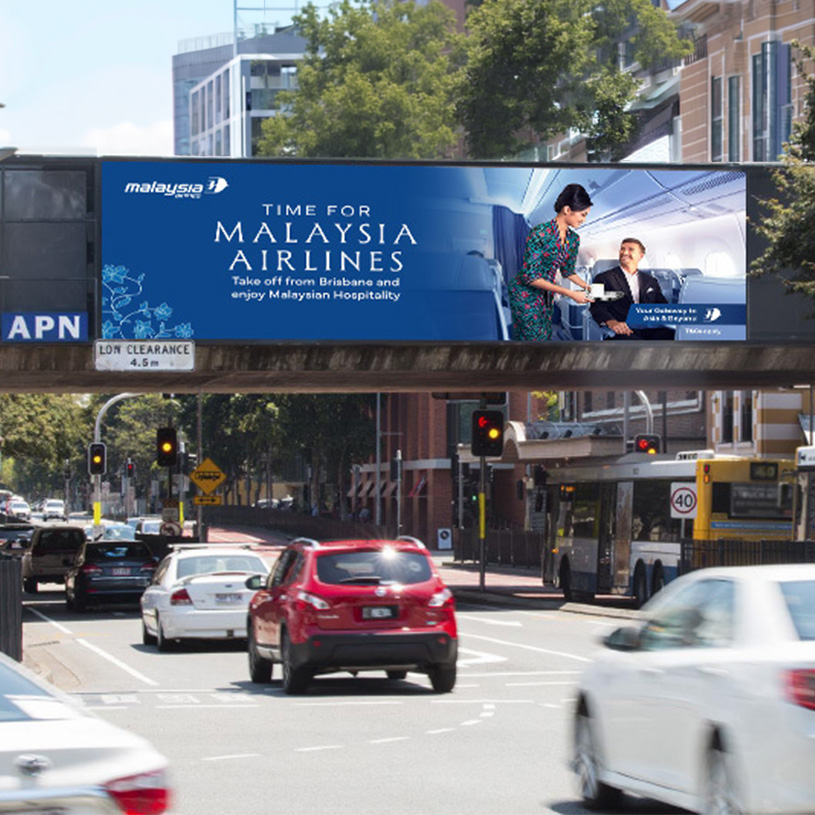
OOH advertising appears in public spaces such as billboards, transit hubs, retail centres and large digital displays. These placements allow brands to reach audiences during everyday moments: commuting, shopping, working or socialising.
As a form of Above-the-Line (ATL) advertising, OOH is designed to build broad awareness and reach large audiences at scale. Rather than focusing solely on short-term performance metrics, ATL channels help strengthen brand visibility and long-term recognition.
In a media environment where many digital ads can be skipped or ignored, OOH offers something different: consistent visibility in the physical world.
Why Is OOH a Key Part of the Media Mix?
In a fragmented media landscape, achieving mass reach through a single channel is becoming increasingly difficult.
Audiences now consume content across social media apps, streaming platforms, podcasts and on-demand television. While these platforms offer strong targeting capabilities, they also divide audience attention.
This is where OOH continues to play an important role.
Unlike personalised digital advertising, which is typically experienced individually, OOH campaigns exist in public environments and are experienced collectively. A billboard on a busy highway or a digital screen in a shopping centre can be seen by thousands of people every day.
For brands, this kind of public presence reinforces visibility and signals market credibility.
The reach is significant. In Australia, Out-of-Home advertising reaches approximately 97% of Australians aged 14+ each week, making it one of the country’s most effective channels for large-scale exposure.
As media habits diversify, outdoor placements help brands maintain a consistent audience reach across multiple touchpoints.
Outdoor Advertising Has Gone Digital
OOH today looks very different from the static billboards many people associate with the medium.
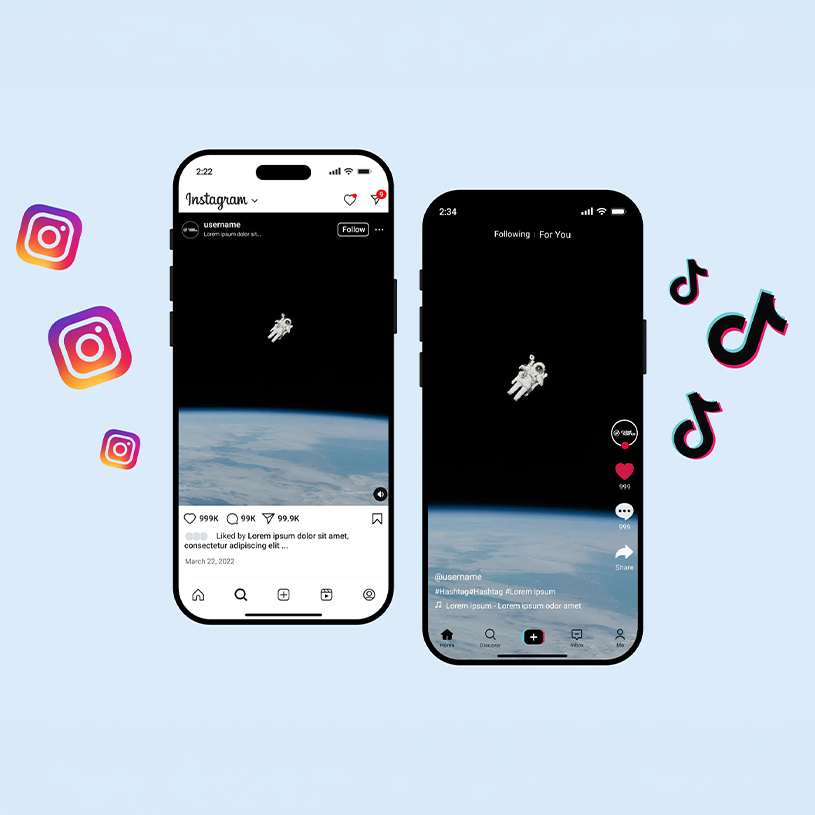
The rapid growth of Digital Out-of-Home (DOOH) has transformed outdoor advertising into a far more flexible and responsive channel.
Digital screens allow brands to deliver dynamic creative, rotate campaigns across networks and adjust messaging based on time, location or audience context. This flexibility also makes it easier for outdoor campaigns to align with digital and social media activity.
Rather than existing separately from digital marketing, DOOH increasingly works alongside it, helping brands create more cohesive cross-channel campaigns.
How Can Brands Use OOH More Strategically?
Today’s outdoor campaigns are no longer simply about “buying a billboard.”
Instead, successful brands treat OOH as part of a broader marketing ecosystem, integrating it with digital, broadcast and experiential channels.
When used strategically, OOH can support several key brand-building objectives.
Building brand credibility.
In a media environment saturated with digital content, visibility in the real world can reinforce legitimacy and trust. A prominent outdoor placement signals that a brand is established and confident enough to invest in public presence.
Research suggests 58% of consumers consider OOH advertising more trustworthy than many other ad formats, highlighting the credibility that physical visibility can provide.
Supporting digital engagement.
OOH often acts as an introduction or reinforcement point before consumers engage with a brand online. Seeing a brand in a physical environment can increase familiarity, making audiences more likely to respond when they later encounter the same brand through search, social or mobile advertising.
Studies have shown that effective OOH campaigns can lead to significant increases in branded search and online engagement, demonstrating how outdoor visibility can strengthen digital performance.
Building mental availability.
One of the key goals of ATL advertising is ensuring a brand is easily recalled when consumers are ready to buy. OOH helps achieve this through repetition and location strategy.
By appearing consistently in high-traffic locations such as transport corridors, retail centres and major intersections, brands become part of the audience’s daily routine. Over time, these repeated exposures help embed brand colours, messaging and visual identity in consumer memory.
Reference List
- ???